IVF Centre in Kondapur, Hyderabad - Expert Fertility Care You Can Trust
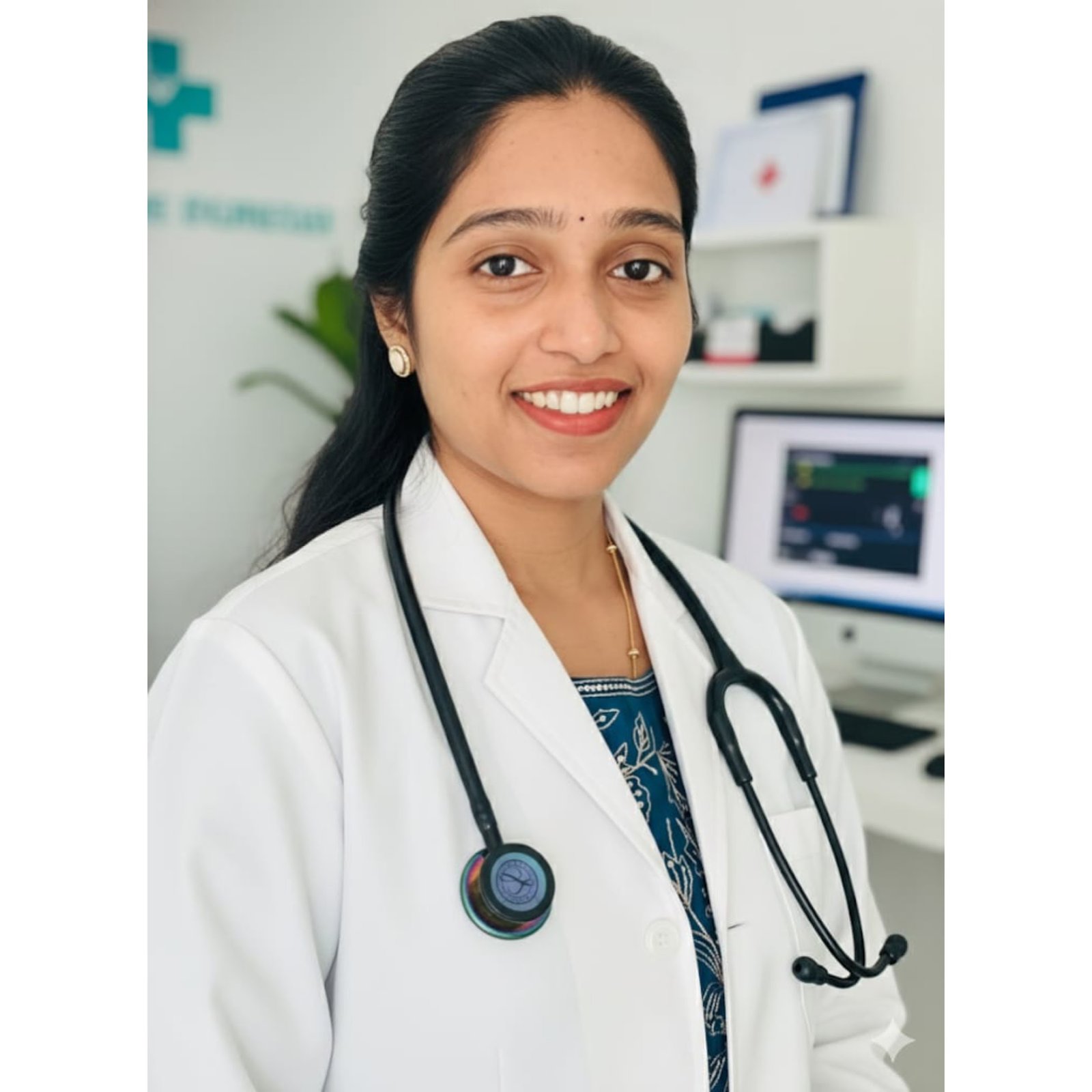
Starting a family is one of the most personal journeys in life. And when it does not happen as easily as expected, it can feel overwhelming. At Matrika Advanced Fertility and Laparoscopic Centre in Kondapur, Hyderabad, Dr. Pooja Papishetty brings together clinical expertise and genuine compassion to help couples take the right steps toward parenthood.
Whether you are just starting to explore fertility options or you have been trying for a while, you will find clear answers and honest guidance here.
“Every couple who walks through my door carries hope. My job is to make sure that hope has the best possible scientific support behind it.” – Dr. Pooja Papishetty, IVF Specialist, Kondapur, Hyderabad
You are not alone in this. Thousands of couples have walked this path
and found their way. Yours begins here.
Fertility Treatments Available in Kondapur, Hyderabad
At Matrika Fertility, you get access to a full range of fertility treatments under one roof. Here is what Dr. Pooja Papishetty offers:
IVF (In Vitro Fertilisation) – Test Tube Baby Treatment
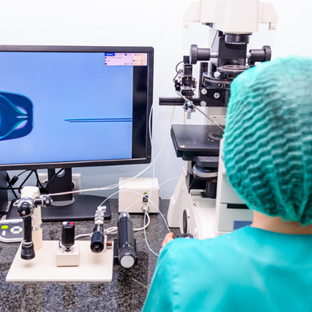
IVF is one of the most effective fertility treatments available today. It involves retrieving eggs from the ovaries, fertilising them in a lab with sperm, and then transferring the resulting embryo into the uterus.
Who needs IVF?
Blocked or damaged fallopian tubes
Endometriosis affecting fertility
[TABLE: IVF Process at a Glance]
| Step | What Happens | Duration |
| Step 1 | Initial fertility evaluation (blood tests, scans, semen analysis) | 1-2 days |
| Step 2 | Ovarian stimulation with injectable hormones | 10-14 days |
| Step 3 | Monitoring through ultrasound (follicular study) | Every 2-3 days |
| Step 4 | Egg retrieval under mild sedation | 30 minutes |
| Step 5 | Fertilisation in the embryology lab | 3-5 days |
| Step 6 | Embryo transfer | 15-20 minutes |
| Step 7 | Pregnancy test | 14 days after transfer |
Laparoscopy and Hysteroscopy for Infertility
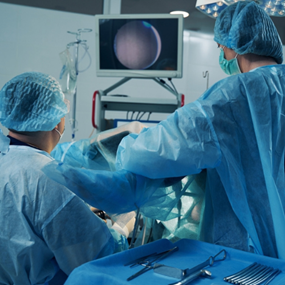
Sometimes, infertility is caused by structural problems inside the uterus or pelvis. Dr. Pooja Papishetty is trained in both laparoscopy and hysteroscopy – minimally invasive surgical procedures that can diagnose and treat:
ICSI (Intracytoplasmic Sperm Injection)
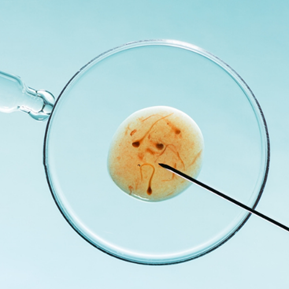
ICSI is a variation of IVF where a single healthy sperm is injected directly into the egg. It is mainly used when there is a significant male infertility factor – such as very low sperm count or poor sperm motility.
ICSI has made pregnancy possible for many couples who were told they had little to no chance naturally.
IUI (Intrauterine Insemination)
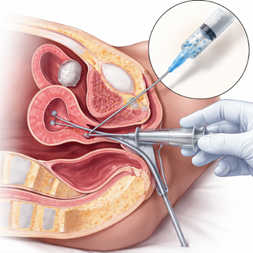
IUI is a simpler, less invasive fertility procedure. Prepared sperm is placed directly into the uterus during ovulation. It is often recommended as a first-line treatment before moving to IVF.
Good candidates for IUI include:
PCOS and Ovulation-Related Infertility
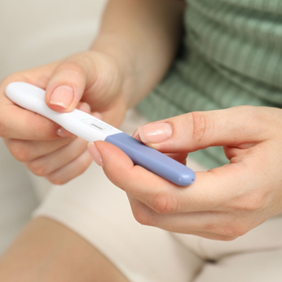
PCOS (Polycystic Ovary Syndrome) is one of the most common causes of infertility in Indian women. It affects ovulation. Many women with PCOS do conceive with the right treatment.
Dr. Pooja Papishetty manages PCOS through a combination of lifestyle guidance, medications for ovulation induction, and if needed, minor procedures – before recommending IVF.
High-Risk Pregnancy Management
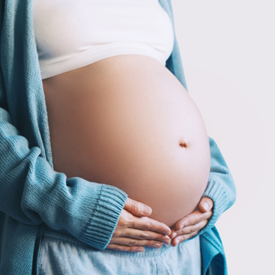
For women who have conceived after fertility treatment or have a history of complications, Dr. Pooja provides dedicated antenatal care – monitoring both mother and baby closely throughout pregnancy.
What to Expect at Your First Visit
Many people feel nervous walking into a fertility clinic for the first time. That is completely normal.
At Matrika Fertility in Kondapur, your first consultation is a conversation. Dr. Pooja will:

1. Listen to your full history without rushing

2. Review any previous test reports you bring

3. Recommend only the tests that are actually needed

4. Explain your diagnosis in simple, plain language

5. Suggest a treatment plan with estimated timelines and costs
“I always tell my patients – don’t compare your journey to someone else’s. Every body is different. What matters is finding what works for you.” – Dr. Pooja Papishetty, Fertility Specialist, Kondapur, Hyderabad
Sometimes the simplest step forward is all it takes. Let us find out if that step is yours.
Common Causes of Infertility Dr. Pooja Papishetty Treats
| Female Causes | Male Causes |
| PCOS / Anovulation | Low sperm count (oligospermia) |
| Blocked fallopian tubes | Poor sperm motility |
| Endometriosis | Abnormal sperm morphology |
| Fibroids or polyps | Azoospermia (no sperm) |
| Low ovarian reserve (low AMH) | Hormonal imbalances |
| Uterine abnormalities | Varicocele |
| Thyroid disorders | Sperm DNA fragmentation |
| Premature ovarian insufficiency | Lifestyle factors |
About 40% of infertility is due to female factors, 40% male factors, and 20% is either combined or unexplained. This is why Dr. Pooja evaluates both partners before starting treatment.
Why Kondapur Couples Trust Matrika Fertility
Kondapur is one of Hyderabad’s most rapidly growing residential and IT hub areas. Many young couples living in localities like Madhapur, Gachibowli, Manikonda, Miyapur, and Tellapur are searching for a trusted fertility clinic nearby.
At Matrika Fertility, you get:
A specialist with focused training in reproductive medicine

Personalised care –
not a conveyor belt approach

Proximity to Kondapur, so treatment does not disrupt your work schedule

Clear communication at every step

Transparent pricing before you begin

Minimal wait times and easy appointment access
“Infertility is not just a medical diagnosis. It carries emotional weight. I want every couple to feel supported – not just treated.” – Dr. Pooja Papishetty, Kondapur, Hyderabad
Fertility Treatment Success Factors – What Affects Your IVF Outcome?
Age of the woman
Ovarian Reserve
Sperm Quality
Uterine Health
Embryo Quality
Under 35: Higher success rate
Good reserve: More eggs retrieved
Normal: Standard IVF
Normal: Better implantation
Day 3 embryos
Over 40: May need donor eggs
Low reserve: May need modified protocol
Abnormal: ICSI recommended
Fibroids/Polyps: May need surgery first
Blastocysts (Day 5) – higher implantation rate
Age of the woman
Under 35: Higher success rate
Over 40: May need donor eggs
Ovarian Reserve
Good reserve: More eggs retrieved
Low reserve: May need modified protocol
Sperm Quality
Normal: Standard IVF
Abnormal: ICSI recommended
Uterine Health
Normal: Better implantation
Fibroids/Polyps: May need surgery first
Embryo Quality
Day 3 embryos
Blastocysts (Day 5) – higher implantation rate
Fertility Tests You May Need Before Starting Treatment
| Test | Who It Is For | What It Checks |
| AMH (Anti-Mullerian Hormone) | Women | Ovarian reserve, egg count estimate |
| Day 2/3 FSH and Estradiol | Women | Ovarian function |
| Pelvic Ultrasound (Follicular Study) | Women | Ovaries, uterus, antral follicle count |
| Hysteroscopy | Women | Inside of the uterus |
| Semen Analysis | Men | Sperm count, motility, morphology |
| Sperm DNA Fragmentation | Men | Sperm DNA quality |
| Thyroid Function Test | Women | TSH levels affecting ovulation |
| Prolactin | Women | Hormonal balance |
Every day you wait is another day away from the family you deserve. The first consultation is just a conversation. No pressure, no obligations.